Why the material gets its own conversation
Standard residential hanging is described on the installation page. Specialty wallpaper installation is the same trade with products that punish a generic method. The label still governs. What follows is what an installer needs to know before agreeing to the day.
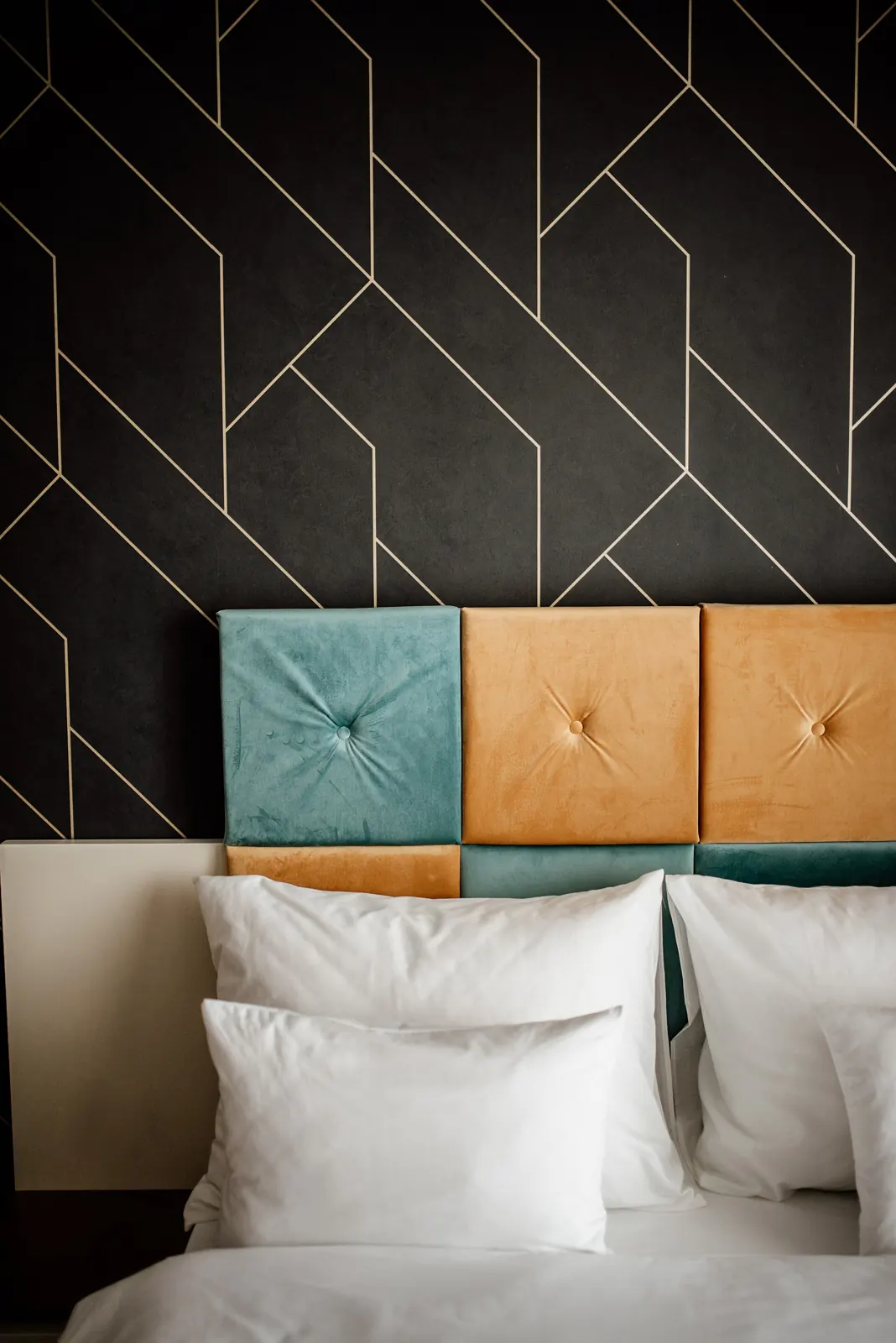
Vinyl
Vinyl wallpaper installation covers lightweight residential vinyl and heavier commercial sheet. Vinyl does not breathe the way a paper-backed print does, and the seams can be more visible if the wall is out of plane. It is often chosen because it can be cleaned. It is a poor choice where the manufacturer says the adhesive or the backing cannot take the moisture. Vinyl wallpaper installation cost follows weight, width, and how stiff the sheet is to turn at corners, not only the square footage.
Grasscloth and other natural weaves
Grasscloth wallpaper installation shows the seams and the variation in the fiber. Shading between panels is part of the material. Panels should be reviewed and sequenced before they are cut, so a dark panel is not stranded in the middle of a light run. The face is easy to crush with a hard smoother. Wet rooms and high-traffic corridors are usually the wrong place for it, unless the specific product is rated for that use and you accept the wear.
Non-woven and traditional unpasted paper
Non-woven wallpaper installation is often paste-the-wall, which lets a drop be positioned and, on many products, slid. That is a property of the backing, not of every “nonwoven” labeled roll, so the instructions are checked. Unpasted wallpaper installation is the older paste-the-paper sequence: adhesive on the back, booking time, then the wall. Skipping the booking time shows up later as bubbles or curling seams.
Prepasted paper
Prepasted wallpaper installation depends on the label. The water temperature, the soak, and the booking time are printed there, and they are followed. Too long in the water dissolves the adhesive. Too little leaves dry paste. A pre-pasted paper is not automatically easier than an unpasted one on a poor wall.
Textiles, silk, and texture
Silk wallpaper installation and other fabric or textile wallcoverings are delicate. Adhesive can stain the face. Seams are planned so the cloth is not overworked. These products are a weak choice in steamy baths and in rooms where they will be touched constantly. Textured wallpaper installation, including heavy emboss, needs a smoother conversation with raking light: the texture can hide a small wall defect or exaggerate a seam, depending on the pattern.
Luxury wallpaper installation, as a phrase, usually means a more expensive or delicate goods, not a different city or a different contract. The estimate still lists the product, the wall, and the preparation. If the goods are a poor match for the room, that is said before they are cut.
Questions about specialty products
Can any specialty paper be hung on any wall?
No. Moisture, texture, and the condition of the paint eliminate some products. The refusal is part of the estimate.
Do grasscloth seams disappear?
No. They are visible. The work is to keep them straight and to sequence the shading, not to hide the panels.
Is prepasted paper something you install, or only something to explain?
Yes. The soaking and booking follow the label on the roll.
Who buys a delicate textile?
Whoever the estimate names. If you have already purchased it, keep the hanging instructions with the rolls. If a dye lot is split, stop and look at the panels together.